
Furniture Shifting in Kathmandu – Reliable Furniture Moving Services by Ramro Packers and Movers
Furniture is an important part of every home, apartment, office, and commercial space. Beds, wardrobes, sofas, dining tables, cupboards, study tables, office desks, and storage cabinets make everyday life comfortable and organized. However, moving these items from one location to another can be challenging because furniture is often heavy, bulky, delicate, or difficult to carry through narrow doorways and staircases. Professional furniture shifting in Kathmandu can help make the relocation process more organized by providing suitable assistance with preparing, handling, loading, transporting, and unloading furniture according to the agreed service.
Kathmandu has a wide variety of residential and commercial properties, from traditional houses and rental rooms to modern apartments, office buildings, and commercial spaces. Moving furniture in these environments may involve narrow roads, limited parking, busy traffic, upper-floor rooms, and buildings without elevators. Without proper planning, these conditions can make furniture relocation time-consuming and increase the possibility of scratches, broken fittings, or other damage.
Ramro Packers and Movers can discuss furniture relocation requirements for customers planning to move within Kathmandu or to another destination, subject to service availability. Whether you need to transport a single bed, move a complete living room, relocate office furniture, or shift multiple household items, the right preparation can help simplify the process. By explaining your furniture inventory, pickup and delivery addresses, access conditions, and preferred moving date, you can request a suitable quotation and clarify the services required.
This guide explains how to plan furniture relocation, prepare different types of furniture, understand transportation requirements, manage moving costs, and select an appropriate moving arrangement. If you are preparing for a home renovation, changing apartments, moving to a new rental property, or relocating your office, understanding these steps can help you organize your furniture move more efficiently.
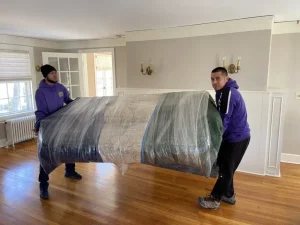
1. Why Choose Professional Furniture Shifting in Kathmandu?
Furniture relocation involves more than carrying an item from one room to another. Large furniture pieces must be assessed, prepared, lifted, maneuvered through available access points, secured for transportation, and unloaded carefully at the destination. Choosing suitable furniture shifting in Kathmandu can help you organize these tasks and determine what equipment, packing materials, labor, and transportation may be required.
Reduce the Physical Effort of Moving Heavy Furniture
Beds, wardrobes, sofas, refrigerators, dining tables, and large cabinets can be difficult to lift without suitable assistance. Some furniture pieces are heavy enough to require multiple people, while others are awkwardly shaped and difficult to balance. Attempting to move these items without preparation can strain your back, damage walls, or cause accidental injuries.
Before moving day, identify the heaviest and largest items in your home or office. Explain whether they are located on an upper floor, whether a lift is available, and how far the furniture must be carried to reach the vehicle. These details help the moving service assess the work involved and discuss suitable handling arrangements.
For particularly heavy, fragile, or unusually shaped furniture, ask whether additional handling assistance or specialized equipment is required. Large glass panels, stone tabletops, and oversized cabinets may need individual assessment rather than being treated like ordinary household furniture.
Help Protect Furniture From Scratches and Impact
Furniture surfaces can be vulnerable to scratches, chipped edges, dents, and broken fittings during relocation. Polished wood, laminated surfaces, upholstered sofas, glass tabletops, and metal frames each have different handling requirements. Appropriate preparation and protective materials can help reduce unnecessary contact, friction, and movement during transportation.
Empty drawers, remove loose accessories, and secure doors where appropriate. Protect corners and exposed surfaces with suitable wrapping, and separate glass components from heavier pieces whenever practical. Before loading, inspect furniture for existing damage and keep a simple record of the condition of valuable items.
When requesting furniture shifting in Kathmandu, identify antiques, expensive furniture, delicate finishes, and items that require special care. Explain your expectations before confirming the booking, and ask what protective materials and handling arrangements are included in the quotation.
Save Time Through Better Organization
Furniture relocation can become time-consuming when belongings are not prepared in advance. Items may need to be emptied, dismantled, wrapped, carried through staircases, and loaded in a particular order. Delays can occur when tools are unavailable, loose fittings are misplaced, or the destination room is not ready to receive the furniture.
Create an inventory of the furniture you intend to move and identify items that require dismantling or special handling. Decide which furniture should be transported first and where each piece will be placed at the destination. If you are moving an entire household, organize smaller belongings separately so the furniture can be prepared without unnecessary interruptions.
A clear plan is particularly useful when moving between rental apartments, coordinating a house handover, or relocating an office that needs to resume operations quickly. Confirm the moving date, building access, parking arrangements, and service scope before the team arrives.
Make Moving Into a New Space Easier
Furniture should fit the available space and allow people to move comfortably around the room. Before relocation, measure large items and check doorways, corridors, staircases, and the entrance to the new property. This is especially important for wardrobes, large sofas, bed frames, conference tables, and cabinets that may be difficult to turn through narrow spaces.
Prepare a simple floor plan showing where major furniture should go. Share your preferences before unloading so that the furniture can be directed toward the appropriate rooms. Planning the layout in advance can reduce the need to move heavy items repeatedly after delivery.
2. Furniture Shifting Services for Homes, Apartments, and Offices
Different properties contain different types of furniture, and each relocation requires an arrangement suited to the inventory and access conditions. A small apartment may contain a bed, sofa, dining table, wardrobe, and a few storage units, while a larger home may have multiple bedrooms and bulky furniture. An office relocation may include desks, chairs, filing cabinets, meeting tables, and workstations. Effective furniture shifting in Kathmandu begins with identifying these differences and communicating them clearly.
Home Furniture Shifting
Home furniture relocation commonly involves beds, mattresses, wardrobes, sofas, dining sets, dressing tables, television units, bookshelves, and storage cabinets. These items can vary considerably in weight, shape, and material. Before moving, remove loose items from shelves, empty drawers where practical, and separate detachable components so they can be packed and transported appropriately.
Wooden furniture may need surface protection, while upholstered items may require clean wrapping to help protect them from dust and dirt. Glass tabletops, mirrors, and decorative panels should be identified separately because they require careful handling. Discuss furniture that is especially valuable, fragile, or difficult to carry before finalizing the moving arrangement.
If you are relocating an entire home, group furniture by room and label removable components. Keep screws, brackets, and small fittings in clearly marked bags. A room-by-room inventory can help you check that the main items have reached the correct destination and make unpacking more manageable.
Apartment and Flat Furniture Relocation
Apartment moves often involve shared entrances, elevators, narrow corridors, limited parking, and building rules about moving large items. Some apartment buildings require residents to reserve elevator time or inform management before furniture can be transported. Checking these details early can help prevent delays and reduce disruption to other residents.
Measure furniture that may need to pass through tight entrances, including sofas, wardrobes, beds, and dining tables. If the apartment is on an upper floor, confirm whether the lift can accommodate the furniture or whether the items must be carried through the staircase. Explain these conditions when requesting furniture shifting in Kathmandu so the access requirements can be considered.
At the destination, protect shared corridors from unnecessary obstruction and ensure that the rooms are ready for delivery. Keep pathways clear of cartons and personal belongings while large furniture is being carried inside. Good coordination with building management and other residents can make the relocation smoother.
Office Furniture Shifting
Office furniture relocation may involve workstations, executive desks, office chairs, meeting tables, reception counters, storage cabinets, and filing units. These items often need to be moved according to a planned schedule so employees can resume work without unnecessary disruption. A clear inventory and an agreed relocation sequence help keep the process organized.
Before moving office furniture, remove personal belongings and confidential documents from desks and cabinets. Label furniture according to department, employee, or destination room. Keep computer equipment, monitors, cables, and accessories separate from furniture unless their transportation has been specifically included in the moving arrangement.
For large offices, prepare a floor plan showing where desks, chairs, storage units, and meeting tables should be placed. Coordinate with building management regarding loading access, lift use, parking, and permitted moving hours. Discuss the number of items and the expected schedule with Ramro Packers and Movers before confirming availability and the service scope.
Furniture Shifting for Rental Properties and Small Rooms
Tenants moving between rented rooms may need to transport only a bed, mattress, study table, chair, wardrobe, and a few storage units. Although the inventory may be smaller than a complete household move, furniture can still be difficult to carry through narrow staircases or shared entrances.
Check which furniture belongs to you and which items are provided by the landlord. Photograph the condition of the room and any landlord-owned furniture before moving, and clarify responsibilities for fixtures or damage under the rental agreement. Prepare the items you own for transportation and avoid including shared furniture without the owner’s permission.
When arranging a smaller move, provide an accurate list of furniture rather than describing the relocation only as a room move. A clear inventory helps the service provider understand the size and handling requirements and discuss an appropriate vehicle and quotation.
3. Packing, Loading, Transportation, and Unloading Furniture
A well-organized furniture move involves several stages, from preparing each item to checking its condition after delivery. Depending on the agreed package, a moving service may assist with packing, protective wrapping, loading, transportation, unloading, and selected furniture-handling tasks. Before booking furniture shifting in Kathmandu, confirm which services are included and whether you need to prepare any items yourself.
Furniture Inspection and Preparation
Begin by inspecting each furniture item and identifying existing scratches, loose joints, unstable legs, broken fittings, or delicate surfaces. Remove personal belongings from drawers and cupboards. Take out loose shelves where appropriate, secure doors, and detach accessories that could fall during handling.
Measure oversized items and check whether they can pass through the current and destination entrances. If a wardrobe or bed frame needs to be dismantled, confirm whether the work can be included in the moving arrangement. Furniture with complex mechanisms, wall-mounted fixtures, or specialized fittings may require a qualified technician.
Protective Wrapping and Packing Materials
Different furniture materials require different protection. Suitable moving blankets, cushioning, stretch wrapping, corner protectors, or other materials may help reduce scratches and surface contact during handling. The appropriate materials depend on the furniture type, its finish, and the expected transportation conditions.
Wooden tables and cabinets should be protected against knocks and rubbing. Upholstered sofas and chairs may benefit from clean protective covers, while glass components need suitable cushioning and secure packaging. Avoid applying adhesive tape directly to delicate finishes because it may leave marks or damage the surface.
For furniture with detachable legs, shelves, or fittings, keep the components together in labeled bags. Identify the corresponding furniture item clearly so that parts can be found during reassembly. Ask the moving service what packing materials are available and whether their cost is included in your quotation.
Dismantling and Reassembling Furniture
Some beds, wardrobes, desks, and shelving units are easier to move after partial dismantling. Removing detachable parts can reduce the overall size and make it easier to navigate doorways, staircases, and corridors. However, dismantling should be approached carefully to avoid damaging joints, fittings, or panels.
Keep screws, bolts, brackets, and small fittings in labeled bags. Photograph complicated connections before taking them apart, and keep assembly instructions if available. Avoid forcing tightly fitted components or dismantling furniture that has a specialized mechanism unless you understand how it is assembled.
Confirm in advance whether dismantling and reassembly are part of the service. If you have modular furniture, wall-mounted cabinets, electric recliners, or other complex items, explain the details so you can determine whether specialist assistance is necessary.
Loading and Securing Furniture for Transport
Furniture must be positioned appropriately inside the moving vehicle to reduce unnecessary movement during travel. The loading arrangement should account for the size, weight, shape, and fragility of each item. Heavy furniture should be positioned and secured appropriately, while delicate surfaces and glass components need protection from contact with other objects.
Before loading, check that drawers are empty, loose accessories have been removed, and protective wrapping is secure. Keep an inventory of the main furniture items and note any special handling instructions. If the move includes appliances or cartons alongside furniture, explain the full inventory before the vehicle is arranged.
The vehicle required for furniture shifting in Kathmandu depends on the quantity and dimensions of the items, the route, and the pickup and delivery access. A single cupboard may need a different arrangement from a complete household or office relocation. Accurate information helps the moving service assess transportation requirements before the moving date.
Unloading, Placement, and Final Inspection
At the destination, ensure that the entrance and rooms are ready to receive the furniture. Clear pathways, protect vulnerable surfaces where practical, and decide where each large item should be placed. If you have prepared a floor plan, share it before unloading begins.
After unloading, inspect the main furniture items and compare them with your inventory. Check visible surfaces, legs, handles, drawers, and other accessible components. If you notice a concern, raise it promptly and follow the agreed process for reporting any issue. Keep the inventory until you have confirmed that the expected items have arrived.
Once furniture has been positioned, allow enough space to open doors and drawers safely and to move around the room. Avoid placing heavy items on unstable surfaces, and ensure that furniture requiring wall anchoring is secured appropriately before use.
4. Furniture Shifting in Kathmandu Areas and Nearby Locations
Kathmandu contains residential neighborhoods, commercial districts, apartment complexes, and busy market areas. The conditions at each pickup and delivery location can affect how furniture is handled and transported. Narrow streets, limited parking, building access restrictions, and traffic may require additional coordination. When arranging furniture shifting in Kathmandu, provide the complete addresses and explain any access challenges before confirming your moving date.
Furniture Relocation in Koteshwor and New Baneshwor
Koteshwor and New Baneshwor have a mixture of homes, rental properties, apartments, and commercial spaces. Depending on the location, a moving vehicle may need to use a designated parking area or stop some distance from the building entrance. Busy roads can also make the choice of moving time important.
Before moving day, identify the closest suitable loading point and check whether the building has a lift or staircase access only. Mention large furniture, upper-floor rooms, and any parking restrictions when requesting a quotation. If the pickup or destination has limited access, discuss the carrying arrangements in advance.
Furniture Shifting in Kalanki and Balaju
Residents and businesses in Kalanki and Balaju may relocate furniture when moving homes, renovating rooms, changing rental accommodation, or reorganizing commercial spaces. The distance between the property entrance and the vehicle, the dimensions of furniture, and the condition of access routes can influence the work involved.
Measure large wardrobes, sofas, and tables before moving day. If a property is located along a narrow road or inside a shared building, explain the access conditions clearly. Accurate details help establish whether the furniture can be moved in one piece or needs partial dismantling.
Furniture Relocation in Chabahil and Maharajgunj
Chabahil and Maharajgunj include residential and commercial properties with varying layouts and transportation access. Furniture moves in these areas may involve apartments, family homes, rental rooms, offices, and furnished properties. Planning the inventory and access arrangements helps make the move easier to coordinate.
Separate furniture by room and label detachable components. Confirm the moving schedule with the property owner or building management when necessary, particularly if there are restrictions on using shared corridors or lifts. If you are relocating an office, check whether furniture can be moved during the preferred working hours.
Furniture Shifting in Lalitpur, Bhaktapur, and Nearby Areas
Some customers need to move furniture from Kathmandu to Lalitpur or Bhaktapur, while others are relocating between neighborhoods within the Kathmandu Valley. The route, total distance, furniture volume, and access conditions at both properties should be considered when arranging transportation.
Provide the exact pickup and delivery addresses rather than relying only on neighborhood names. Mention whether the destination is a house, apartment, office, or rental room, and explain the floor level and parking arrangements. Confirm service availability, travel arrangements, and the final quotation before booking.
Ramro Packers and Movers can discuss your requirements for furniture relocation according to the destination and requested services. Availability and the final arrangement should be confirmed for your specific locations, inventory, and moving date.
5. Furniture Shifting Costs in Kathmandu and Ways to Manage Your Budget
The cost of furniture relocation varies according to the amount and size of furniture, travel distance, packing materials, labor requirements, vehicle selection, floor levels, and access conditions. Dismantling, reassembly, special handling, waiting time, or additional pickup points may also affect the quotation. Understanding these factors can help you plan your budget and compare furniture shifting in Kathmandu options more effectively.
Factors That Affect Furniture Moving Prices
The number of items is one of the main factors that influences a moving arrangement. Transporting a single bed or cupboard is different from moving a complete household containing multiple wardrobes, sofas, dining furniture, and storage units. Large or unusually shaped furniture may require additional labor or a different vehicle arrangement.
Distance between the pickup and destination can affect travel time and transportation costs. Access conditions also matter: furniture carried down several flights of stairs may require more effort than items moved from a ground-floor property with direct vehicle access. Packing requirements and specialized handling can further influence the overall quotation.
To receive a more useful estimate, provide an accurate inventory and describe both properties. Include the dimensions of unusually large items where possible, and explain whether you need packing, dismantling, loading, transportation, unloading, or reassembly.
Request and Compare Detailed Quotations
When requesting a quotation from Ramro Packers and Movers, share your preferred date, pickup address, destination, furniture inventory, and required services. Ask what is included in the quoted price and whether packing materials, additional handling, stairs, waiting time, or dismantling may incur extra charges.
If you compare quotations from different providers, check that each estimate covers a similar scope of work. One quotation may include protective wrapping and unloading, while another may cover transportation only. Comparing the same requirements gives you a clearer picture of the total cost and helps prevent unexpected expenses.
Confirm the payment terms, cancellation or rescheduling conditions, and process for raising concerns about damaged or missing items. Request written confirmation of the agreed services wherever possible. Clear communication before booking is more useful than relying on an unclear initial price.
Reduce the Volume of Furniture Before Moving
Relocation is a good opportunity to review furniture that you no longer use. An old table, damaged shelf, unused chair, or storage cabinet may not be worth transporting to the new property. Removing unnecessary items can reduce the volume of the move and make it easier to organize the destination space.
Measure the new rooms before deciding which furniture to keep. If the destination has built-in wardrobes, shelves, or furnished rooms, you may not need to transport every existing item. Sell, donate, recycle, or dispose of unwanted furniture responsibly, and confirm ownership before removing anything from a rented property.
Prepare Furniture in Advance
Empty drawers, remove loose objects, organize fittings, and identify items requiring special care before the moving team arrives. Make sure access routes are clear and confirm that the destination is ready to receive the furniture. Preparation can reduce delays and help the team use the agreed time more efficiently.
Do not dismantle complex or unfamiliar furniture without understanding its assembly system. Instead, ask whether dismantling can be included in the moving service. If you have wall-mounted units, built-in furniture, or items connected to electrical systems, arrange appropriate specialist assistance where needed.
Choose the Right Moving Schedule
Whenever possible, arrange your furniture move before your rental agreement ends, renovation work begins, or office operations need to resume. Confirm access times with both properties and check building rules about moving furniture. A realistic schedule allows time for preparation, loading, transportation, unloading, and final inspection.
Traffic conditions and access restrictions can affect travel and loading times in Kathmandu. Avoid making the schedule so tight that a small delay disrupts the entire day. Confirm the booking details in advance and communicate changes to the moving service as soon as possible.
6. Why Consider Ramro Packers and Movers for Furniture Shifting in Kathmandu?
Selecting a furniture moving service involves more than arranging a vehicle. You need to understand how your furniture will be prepared, what handling assistance is available, which protective materials may be used, and how the final cost is calculated. Ramro Packers and Movers can discuss these requirements with customers planning home, apartment, rental room, or office furniture relocation.
Moving Arrangements Based on Your Furniture Inventory
Every furniture move has its own requirements. A small relocation may involve a bed, a desk, and a few chairs, while a complete home move may include multiple bedrooms, sofas, dining furniture, wardrobes, and storage units. Providing an accurate inventory makes it easier to discuss the required transportation, labor, and preparation.
When contacting Ramro Packers and Movers, explain whether you need assistance with packing, protective wrapping, loading, transportation, unloading, or furniture dismantling. Identify fragile, oversized, or valuable items and confirm whether their special handling requirements can be accommodated. The final service should reflect the agreed scope and confirmed availability.
Support for Residential and Commercial Relocation
Residential furniture moves may involve beds, wardrobes, sofas, dining tables, cupboards, and other household items. Commercial relocation can include office desks, chairs, filing cabinets, meeting tables, and reception furniture. The preparation and schedule may differ according to the type of property and the amount of furniture involved.
If you are moving an office, prepare a list of furniture by department or destination room. For a household move, organize items by bedroom, living room, kitchen, and storage area. Clear labeling and a destination layout can help keep unloading organized and reduce confusion when furniture arrives.
Clear Communication About Services and Charges
Understanding the quotation before booking helps you make a better decision. Confirm the included tasks, packing materials, transportation arrangements, expected schedule, payment terms, and any possible additional charges. If you add furniture or change the destination after receiving the quotation, ask how the change will affect the agreed arrangement.
Keep a copy of the confirmed booking details and the inventory of major items. Identify any concerns about fragile surfaces, loose fittings, or existing damage before loading. These simple steps help establish clear expectations for everyone involved in the move.
A Practical Approach to Furniture Relocation
Furniture shifting becomes easier to manage when preparation, transportation, and delivery are considered together. Measuring furniture, clearing access routes, arranging protective materials, and planning the destination layout can reduce unnecessary work on moving day. Communicating these details before the move helps the service provider assess the practical requirements.
If you are planning furniture shifting in Kathmandu, contact Ramro Packers and Movers with your pickup and delivery addresses, moving date, furniture inventory, and required services. Request a quotation, confirm availability, and review the agreed scope before booking. A well-prepared plan helps you approach your furniture relocation with greater clarity.
7. Frequently Asked Questions About Furniture Shifting in Kathmandu
1. What is included in furniture shifting in Kathmandu?
Depending on the selected arrangement, furniture shifting may include preparation, protective wrapping, loading, transportation, unloading, and selected furniture-handling tasks. Some arrangements may also include dismantling or reassembly. Confirm the complete list of included services with Ramro Packers and Movers before booking.
2. How much does furniture shifting in Kathmandu cost?
The cost depends on the number and size of furniture items, distance, vehicle requirements, labor, packing materials, floor levels, parking, and access conditions. Provide an accurate inventory and both addresses to request a quotation based on your specific relocation requirements.
3. Can I shift only one or two pieces of furniture?
You can enquire about moving individual items such as a bed, wardrobe, sofa, desk, or cupboard. Explain the furniture dimensions, pickup and delivery addresses, and access conditions. Ask about availability, any minimum service requirements, and the applicable charges before confirming.
4. Can furniture be moved from an apartment on an upper floor?
Upper-floor furniture moves can be discussed according to lift availability, staircase dimensions, furniture size, and building rules. Tell the moving service which floors are involved and whether the lift can accommodate the items. Oversized furniture may need additional handling or partial dismantling.
5. Do furniture shifting services include packing materials?
Packing materials may be available depending on the agreed service. Ask whether protective wrapping, moving blankets, cushioning, corner protection, and other materials are included in the quotation. Identify delicate surfaces and glass components so the appropriate packing requirements can be discussed.
6. Can beds and wardrobes be dismantled before moving?
Some beds and wardrobes can be partially dismantled to make transportation easier. Confirm whether dismantling and reassembly are included in your arrangement. Keep fittings labeled and explain any complicated assembly systems or specialized hardware before moving day.
7. How can I protect wooden furniture during transportation?
Empty drawers, remove loose components, and use suitable protective wrapping to reduce scratches and impact. Avoid placing heavy objects directly against delicate finishes, and identify polished or antique furniture before loading. Discuss any special handling requirements with the moving service in advance.
8. Can sofas and glass-top tables be transported?
You can enquire about transporting sofas, glass-top tables, and other bulky or delicate furniture. Provide their approximate dimensions and explain any narrow entrances, stairs, or lift restrictions. Glass components may need separate protective packing and careful handling, depending on their design and condition.
9. Can Ramro Packers and Movers help with office furniture relocation?
You can contact Ramro Packers and Movers to discuss office furniture relocation requirements, including desks, chairs, tables, filing cabinets, and storage units. Provide an inventory, both addresses, preferred moving date, and any building access restrictions. Confirm availability and the agreed service scope before booking.
10. Which areas can I enquire about for furniture shifting?
You can enquire about furniture relocation in Kathmandu neighborhoods such as Koteshwor, New Baneshwor, Kalanki, Balaju, Chabahil, Maharajgunj, and nearby locations. Share the complete pickup and delivery addresses to confirm service availability for your particular move.
11. Can furniture be moved from Kathmandu to Lalitpur or Bhaktapur?
You can enquire about transportation from Kathmandu to Lalitpur, Bhaktapur, or other nearby destinations. The quotation may depend on distance, furniture volume, access conditions, and required services. Confirm the route, availability, and final cost before making a booking.
12. How early should I book furniture shifting in Kathmandu?
Arrange the move as early as practical, especially if you have a fixed rental handover date, renovation schedule, or office relocation deadline. Early planning gives you time to prepare an inventory, check building access, request a quotation, and confirm the moving date.
13. What information is needed for a furniture shifting quotation?
Provide your pickup and delivery addresses, preferred date, furniture inventory, approximate dimensions of oversized items, floor levels, lift availability, parking conditions, and required services. Photos can help explain unusual furniture or access restrictions when appropriate.
14. Should I empty furniture before moving day?
Empty drawers, wardrobes, cabinets, and desks where practical before moving. Remove loose objects and pack small belongings separately. This can make furniture easier to handle and reduce the chance of objects falling or shifting during transportation. Confirm any special preparation requirements with the moving service.
15. How can I book furniture shifting in Kathmandu with Ramro Packers and Movers?
Contact Ramro Packers and Movers with your pickup and delivery addresses, preferred moving date, furniture inventory, and required services. Request a quotation and ask about availability, packing arrangements, handling requirements, and possible additional charges. Confirm the agreed service scope and payment terms before booking.
Plan Your Furniture Shifting in Kathmandu With Ramro Packers and Movers
Moving furniture can be easier to manage when you prepare each item, measure entrances, organize protective materials, and plan the destination layout before moving day. Whether you are relocating a few household items, moving into a new apartment, transporting furniture between rental properties, or shifting office equipment, a clear inventory and realistic schedule help keep the process organized.
Ramro Packers and Movers can discuss your furniture relocation requirements according to the type and quantity of furniture, pickup and destination addresses, and level of assistance needed. If you need furniture shifting in Kathmandu, provide the relevant details, request a quotation, and confirm availability and the agreed service scope before booking.
From beds, wardrobes, and sofas to office desks, cabinets, and meeting tables, each furniture item deserves preparation suited to its size, material, and condition. Plan your move early, communicate any special handling requirements, and arrange the transportation and unloading details in advance. Contact Ramro Packers and Movers to discuss a suitable furniture shifting arrangement for your next relocation in Kathmandu.